Zero Liquid Discharge
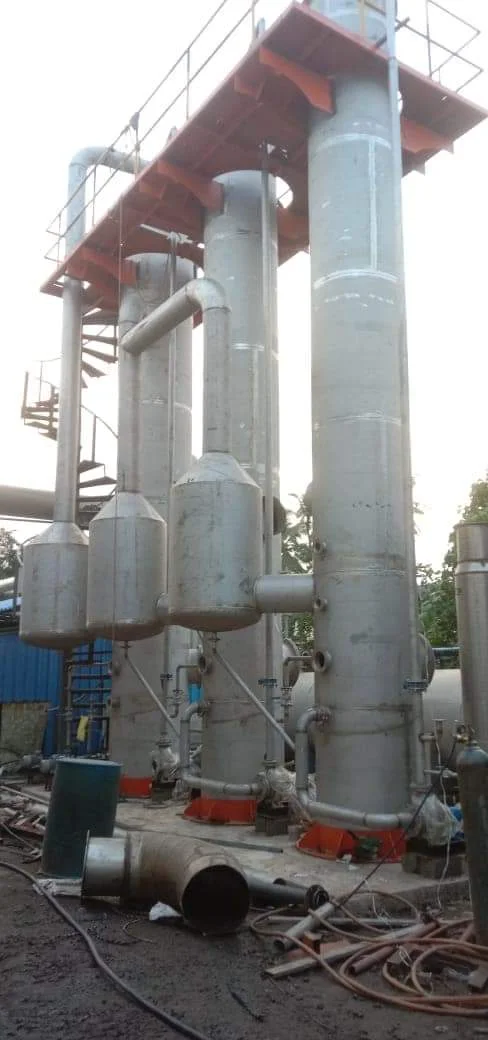
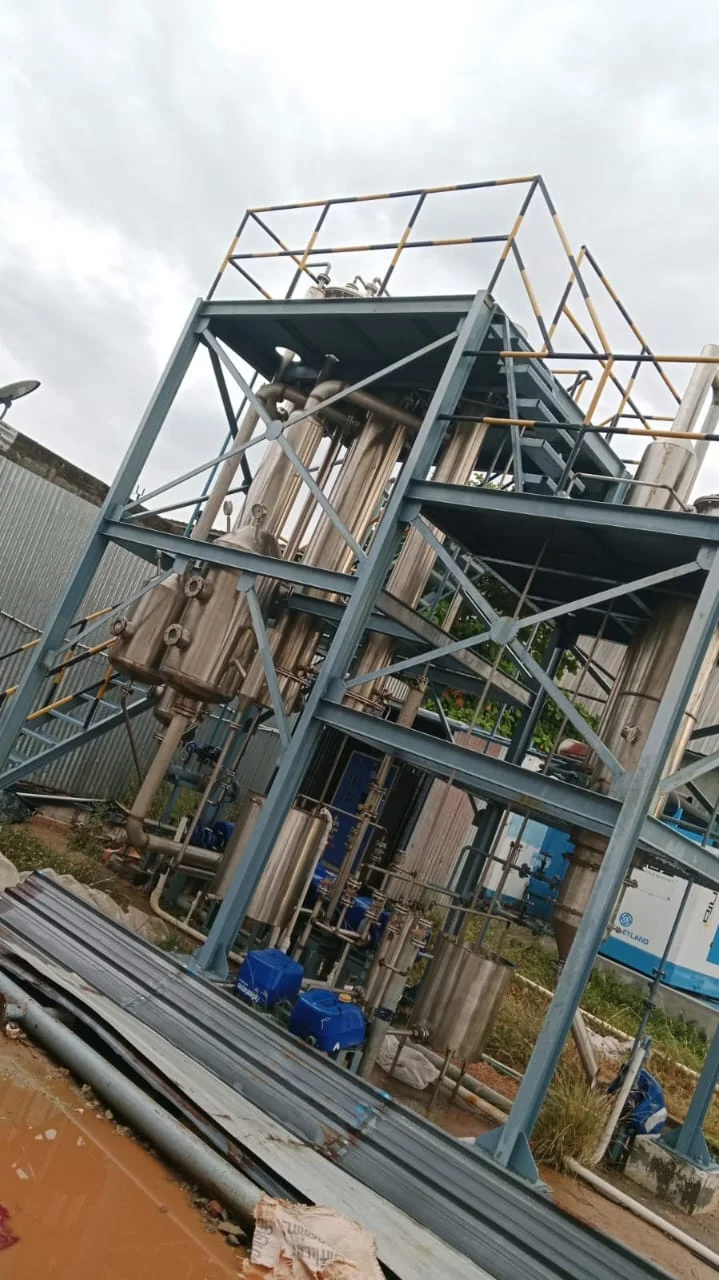
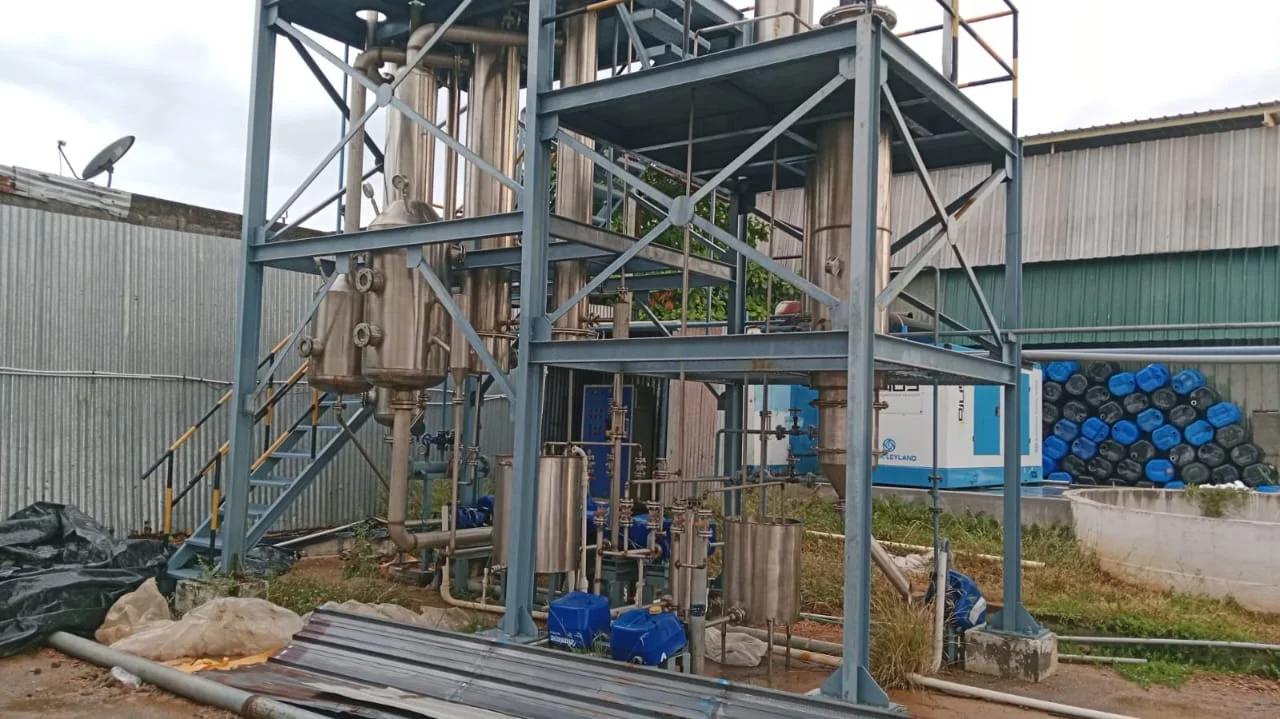
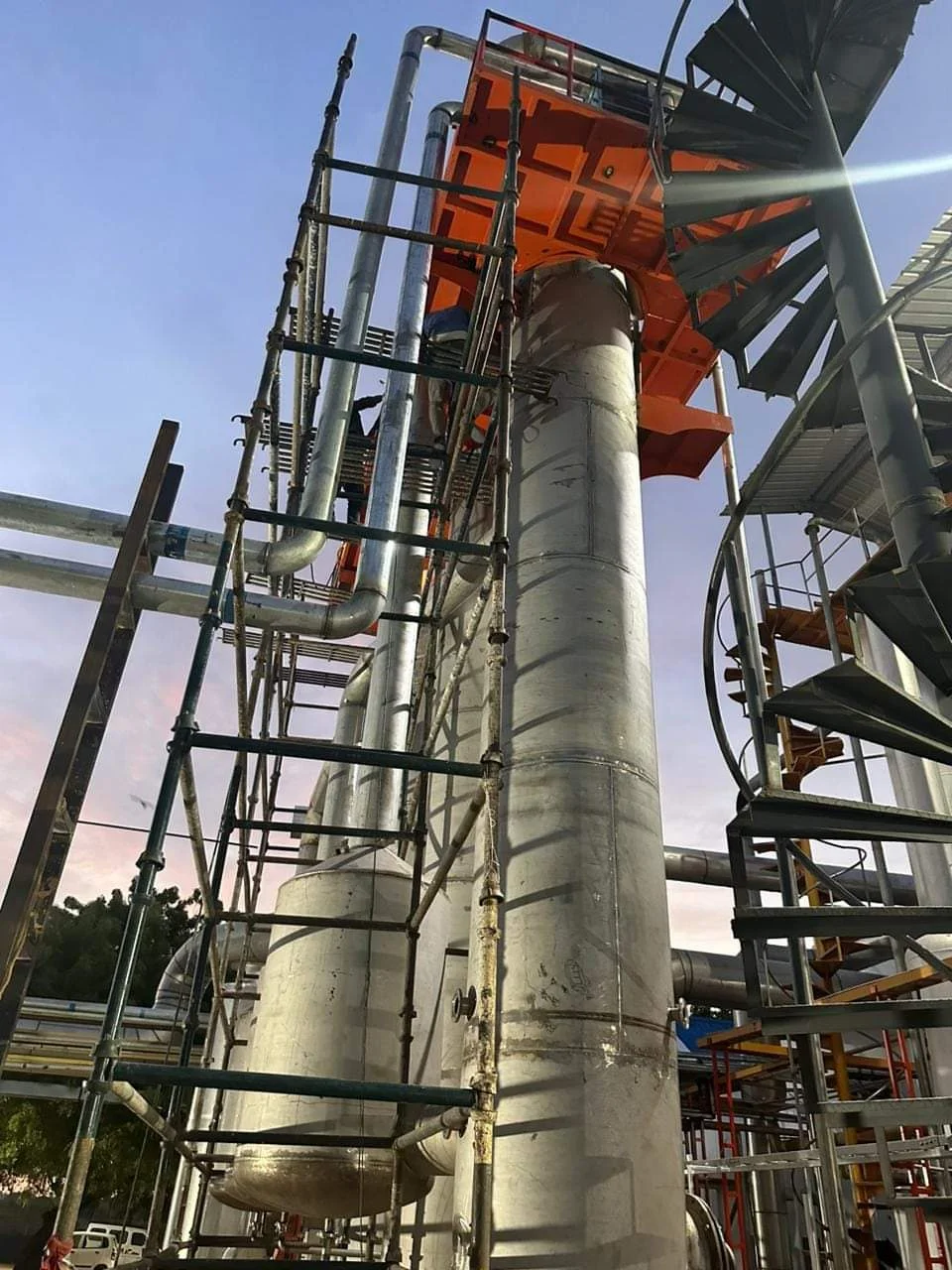
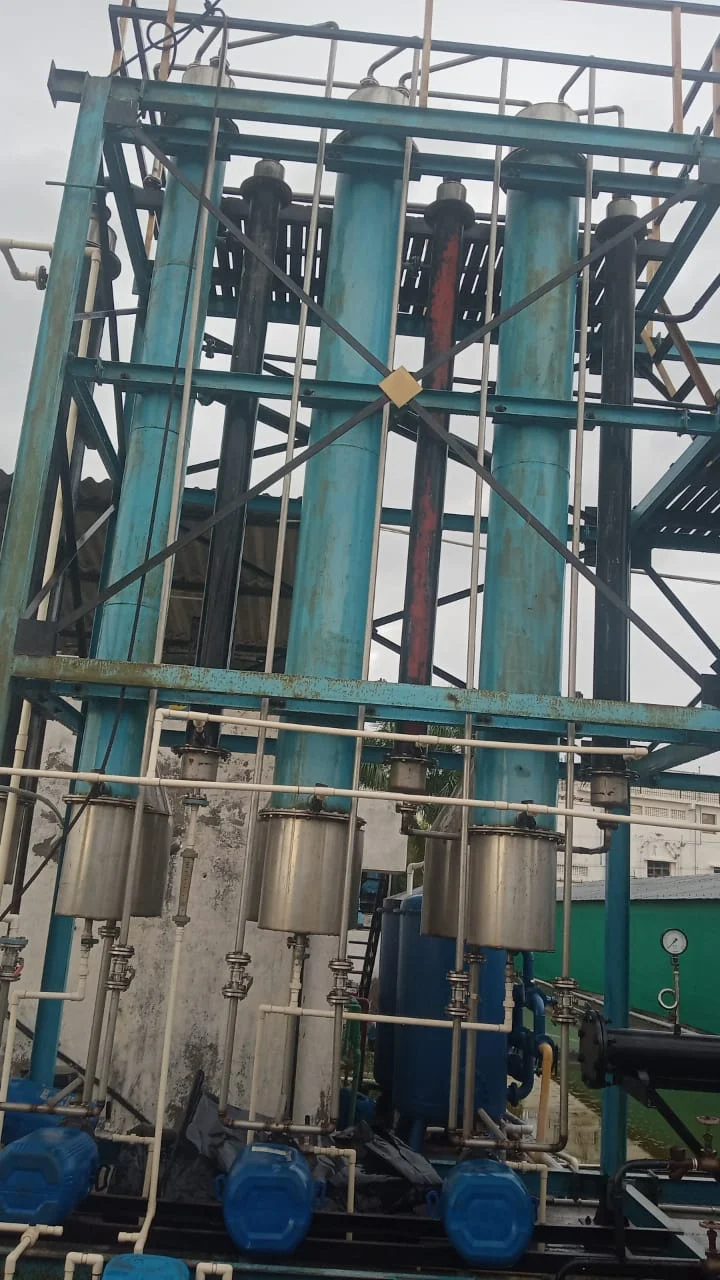
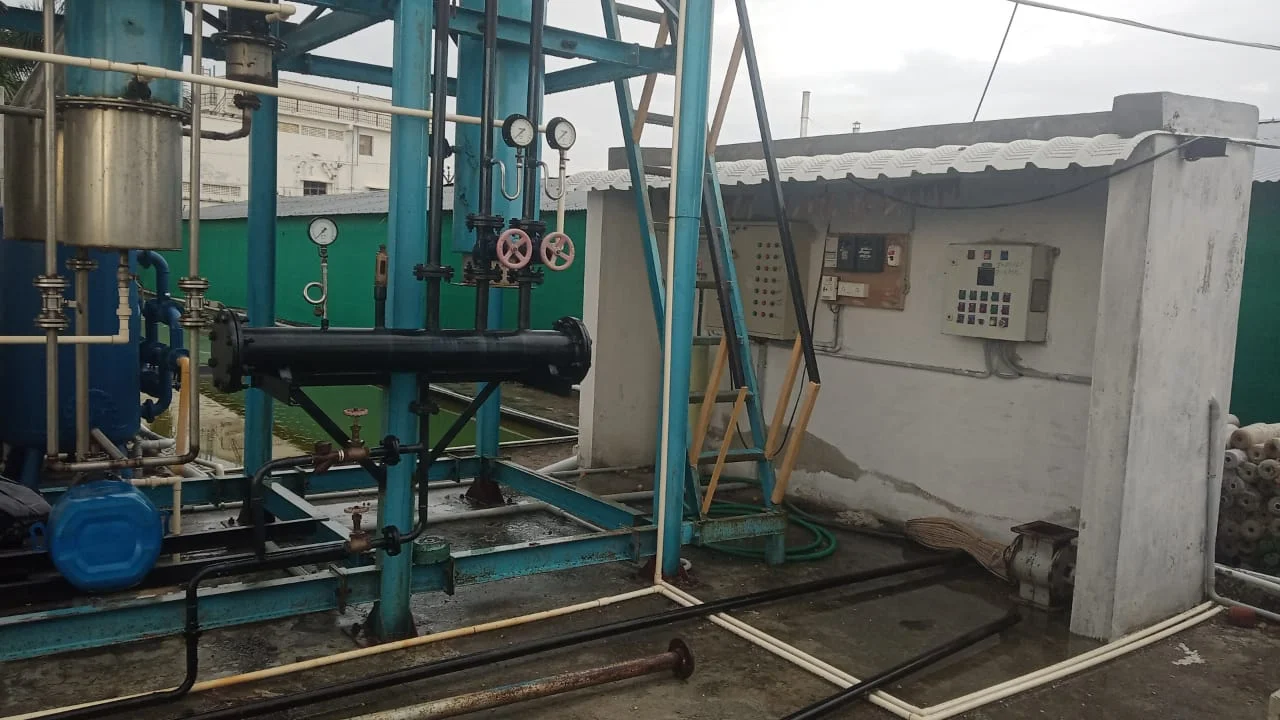
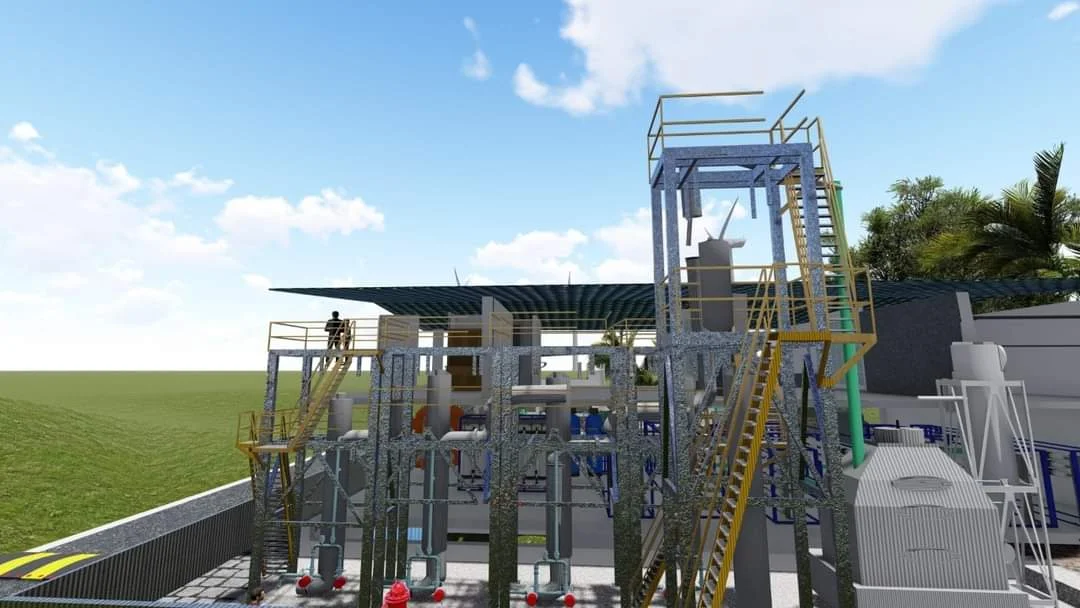
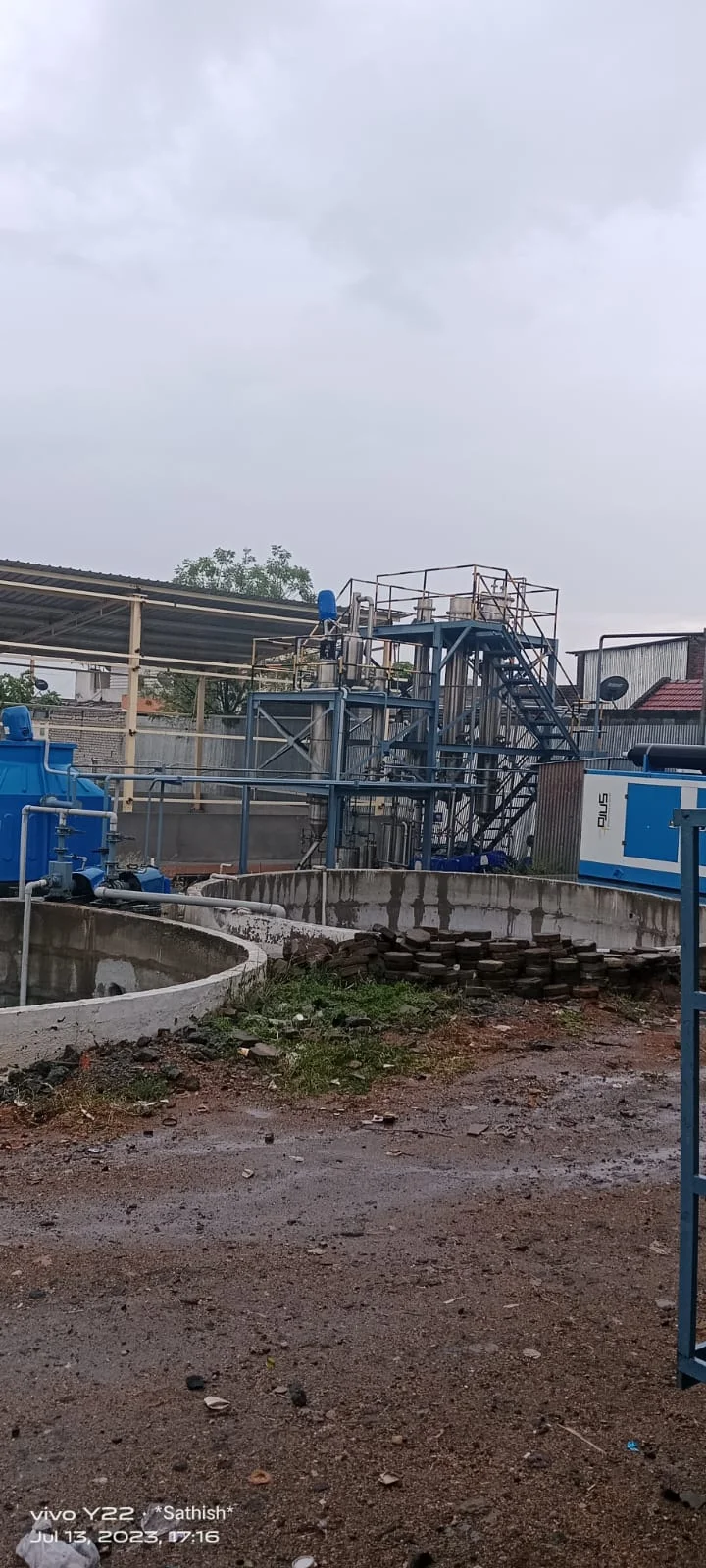
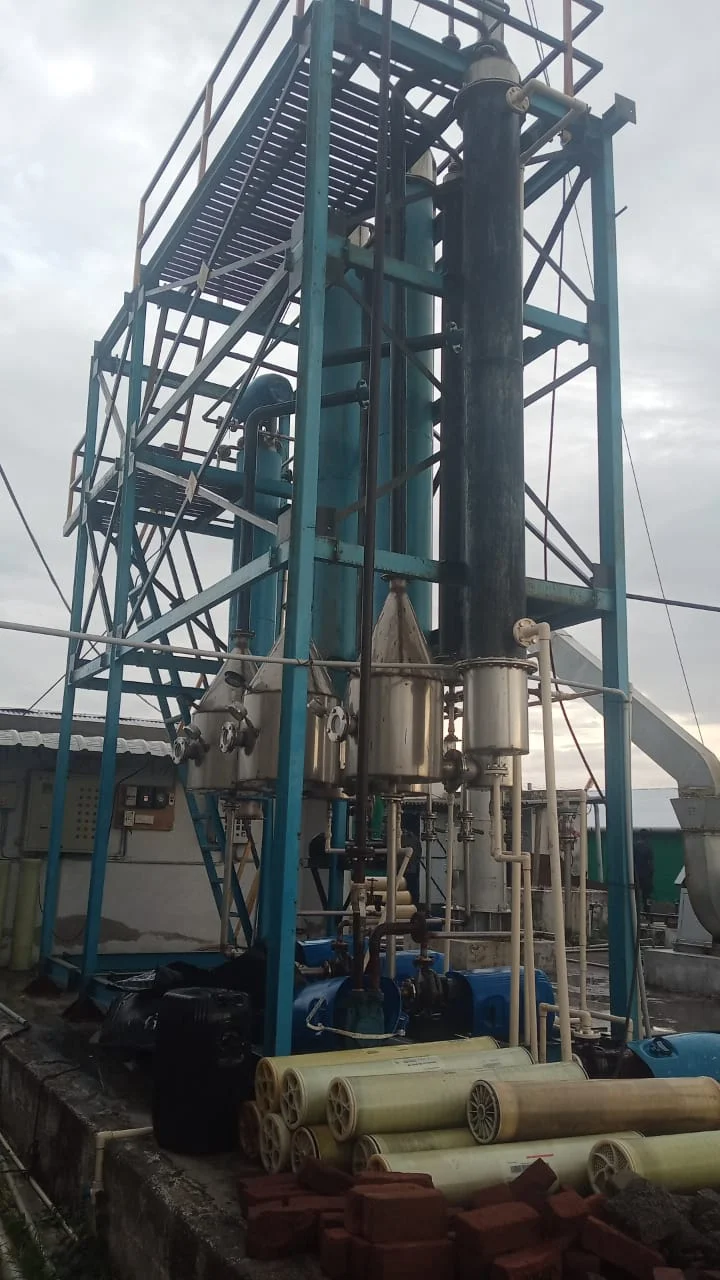
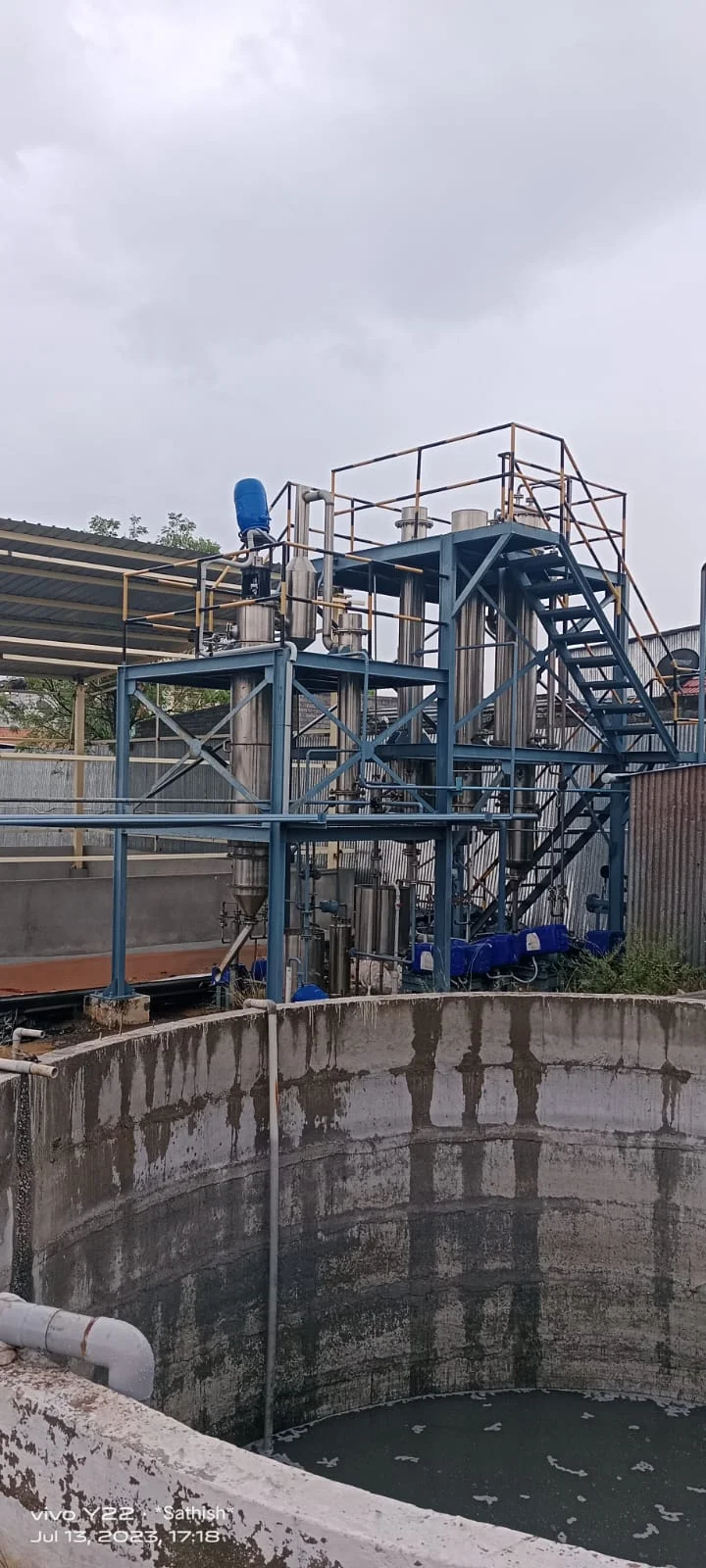
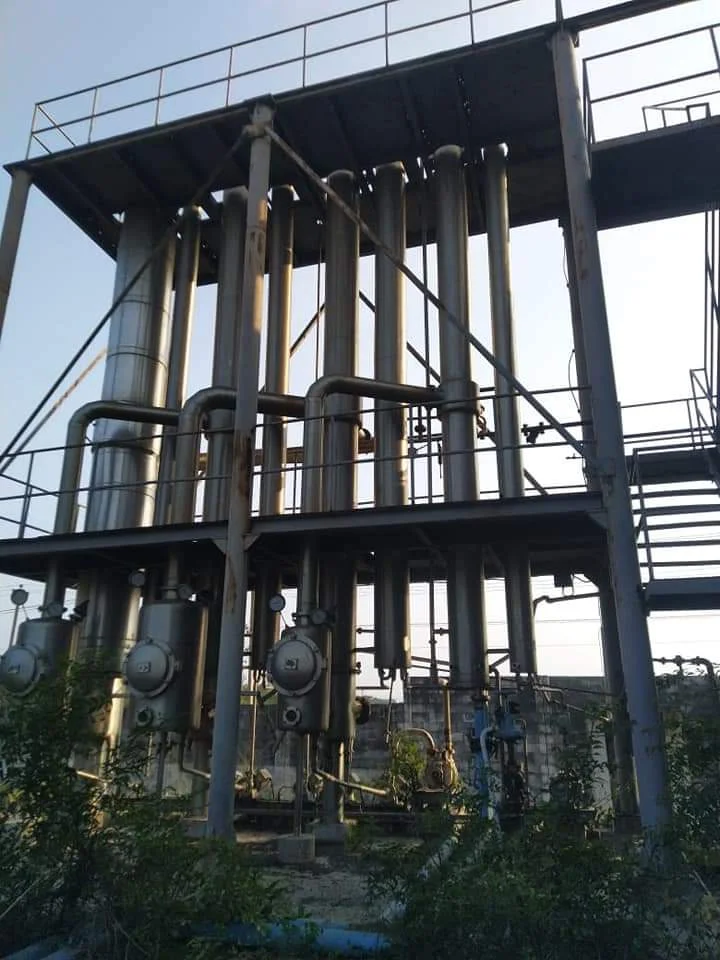
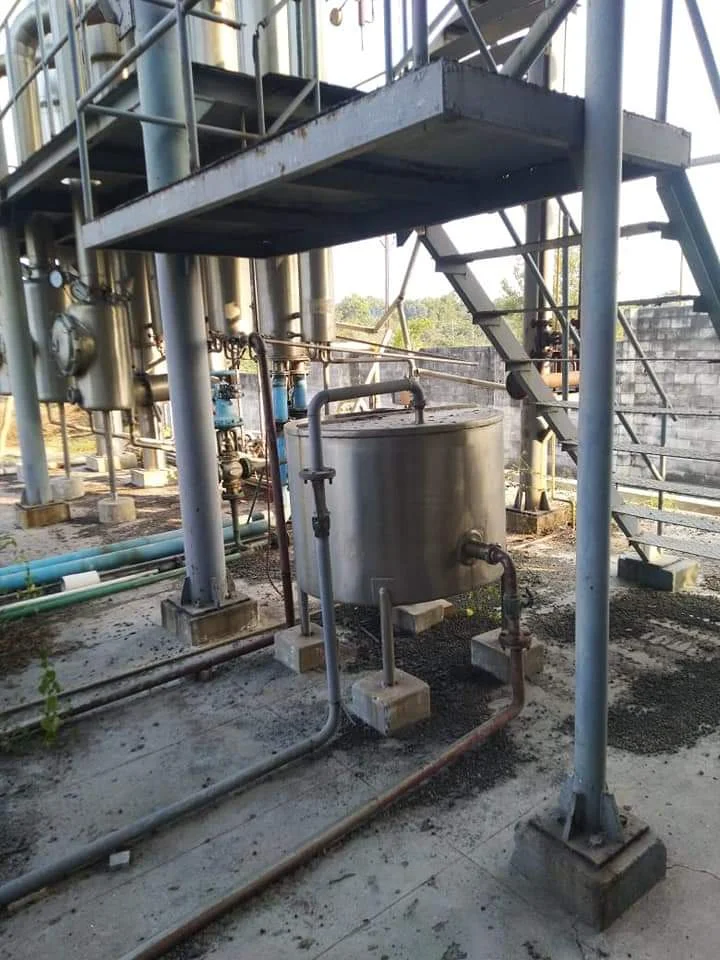
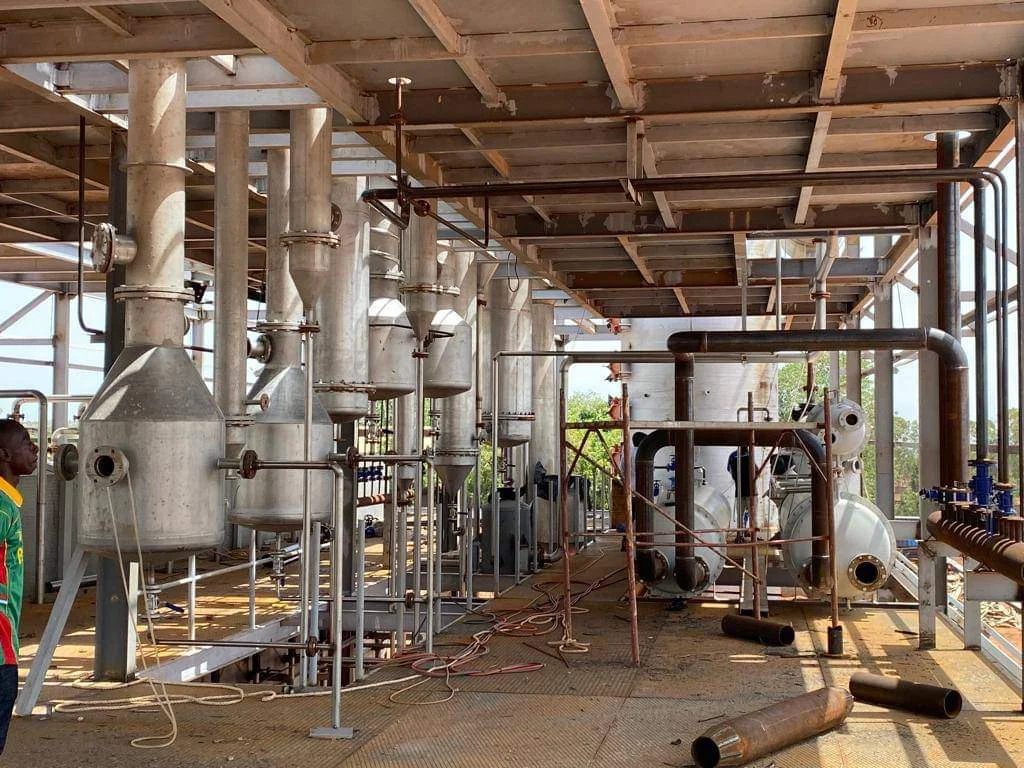
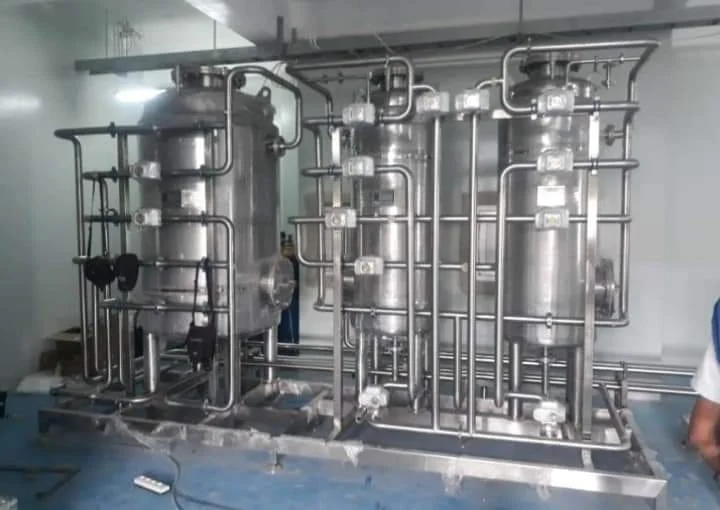
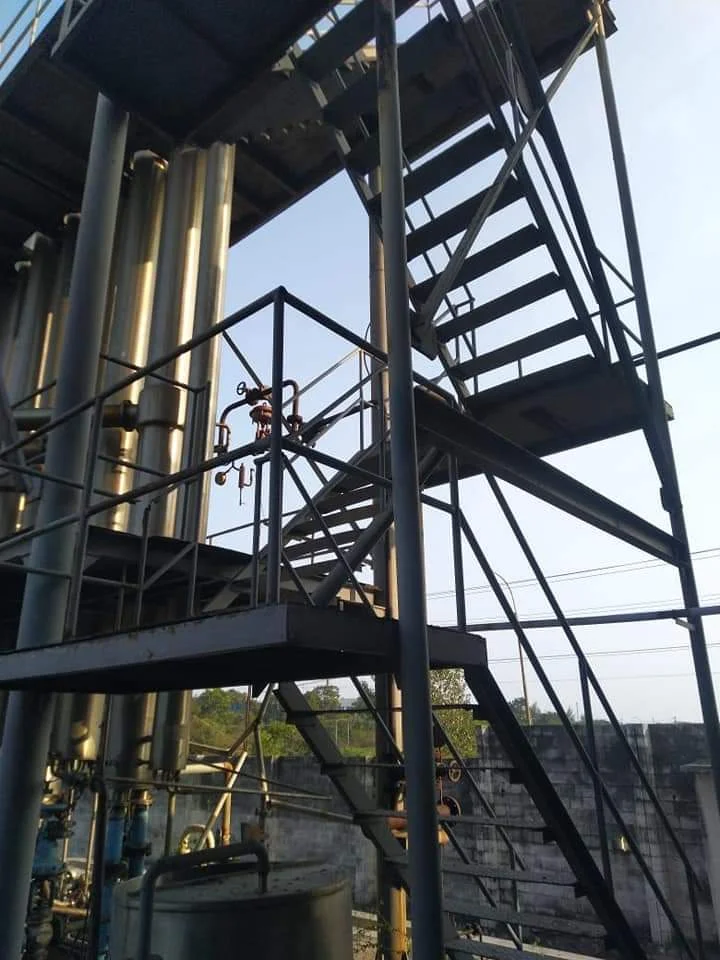
Zero liquid discharge (ZLD) is a treatment process that converts wastewater to recycled water and solids, leaving zero discharge at the end of the treatment cycle. The end product of a zero liquid discharge system is a solid residue of precipitate salts that needs to be transferred to a solid waste disposal facility, such as a landfill. The process starts after secondary treatment. ZLD systems include the use of evaporators and brine crystallizers to completely separate dissolved salts from the water. The treatment system combines clarifiers, membrane technologies such as ultrafiltration and reverse osmosis, with final stages of brine concentrators, evaporators and crystallizers.
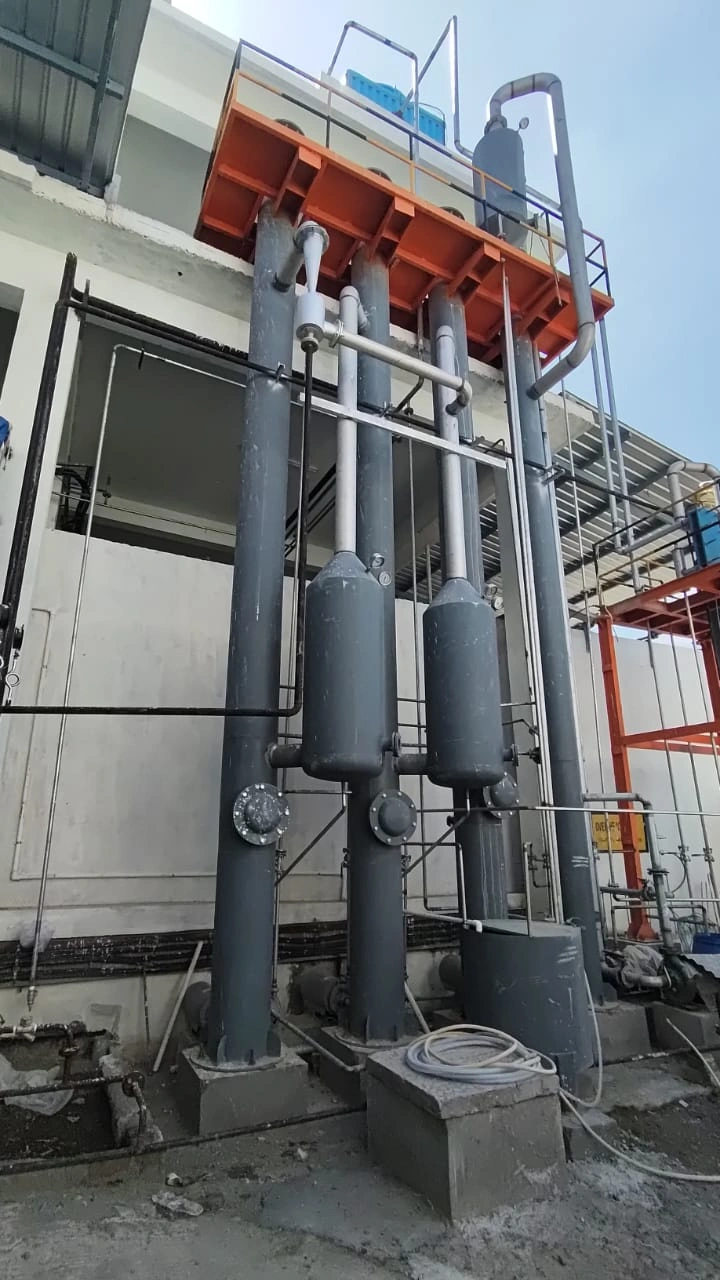
THERE ARE SEVERAL ZERO LIQUID DISCHARGE SYSTEMS INCLUDING:
- Combination Thermal Process with zero liquid discharge
- Mechanical and thermal evaporation zero liquid discharge
- Enhanced Membrane and thermal zero liquid discharge
- Enhanced Membrane and thermal zero liquid discharge
- Wind-Aided Intensified Evaporation
- Devaporation
- Salt Solidification and Sequestration
BENEFITS :
- Water conservation
- Reducing intake of fresh water, and
- Enhanced Membrane and thermal zero liquid discharge
- Enhanced Membrane and thermal zero liquid discharge
- Wind-Aided Intensified Evaporation
- Devaporation
- Salt Solidification and Sequestration